
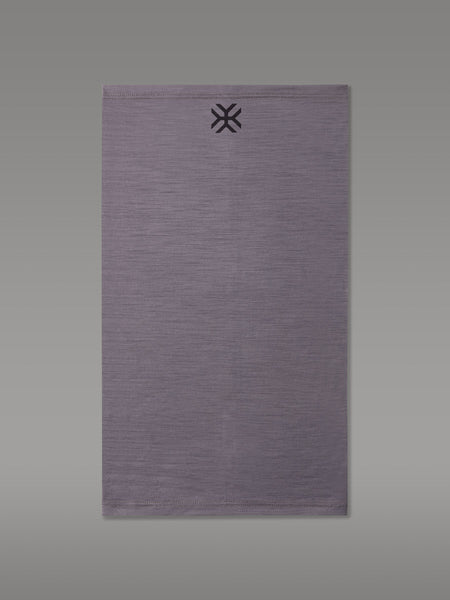
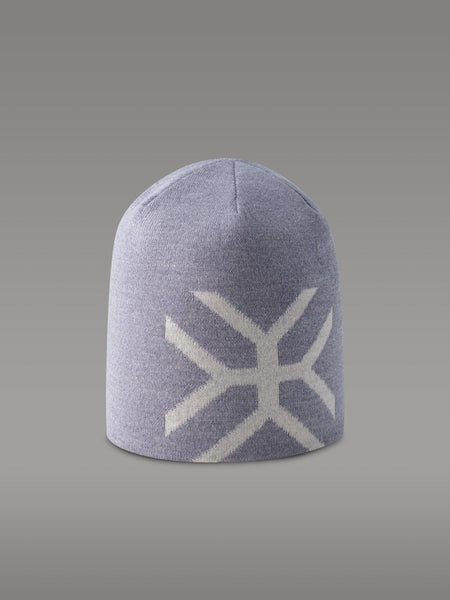
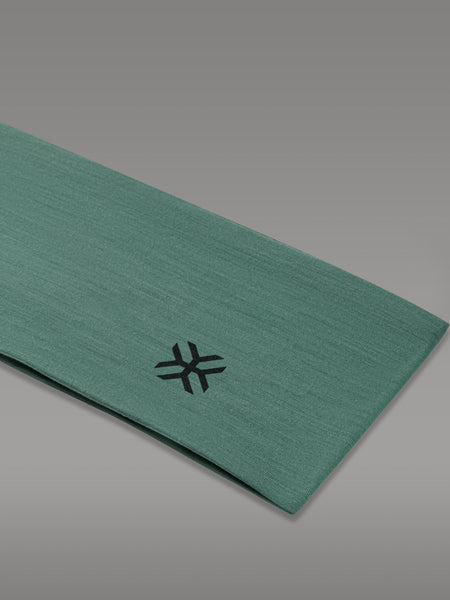
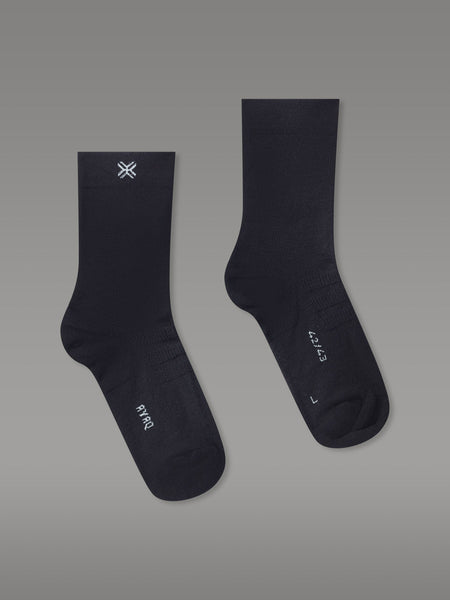

Merino wool is one of the few fibres that can support the body in very different conditions: intense exertion, dry cold, changing temperatures and long days in the mountains. Naturally antibacterial, temperature-regulating and soft, it is made to last. But like any natural material, it needs special care. Caring properly for your merino garment means preserving the qualities that make it a reliable outdoor companion: its ability to manage moisture, retain warmth without overheating and stay comfortable even after hours of activity.
1. Why care for merino?
Merino has a scaly structure that allows it to absorb and release moisture, minimise odours and maintain a stable temperature around the body. This fibre structure performs exceptionally well, but is sensitive to sudden temperature changes, harsh products and vigorous spin cycles. Proper care ensures:
- the yarn retains its softness, essential for lasting comfort;
- the knit remains stable, which is key to the garment’s durability;
- thermal properties are preserved: warmth in cold weather, coolness in milder conditions;
- a longer lifespan, even with intensive use.
With proper care, merino ages slowly and retains its technical qualities season after season.
2. Washing: a gentle, gradual approach
To avoid stressing the fibre during the first few wash cycles, we recommend:
- cold washing for the first five washes, without a high-speed spin;
- then a delicate cycle at no more than 30 °C;
- washing inside out to reduce friction;
- using a specialist wool detergent, free from enzymes and harsh ingredients.
Avoid machine spin cycles: spinning too fast distorts the fibre and strains the knit. Do not wring out the garment — this damages the structure of the merino.
3. Drying: preserving shape and fibre
Merino should be air-dried. The heat of a tumble-dryer causes the fibre to shrink and felt. We recommend:
- drying flat for heavier garments (thicker pieces such as SHIRWALI (men / women)),
- or drying on a hanger for lighter T-shirts (BIAFO (men / women), MEFONNA (men / women), MOLVENO, TENNO, LÉVICO).
Avoid radiators and direct heat sources: they alter the protein structure of the yarn.
4. Between washes: merino’s natural strength
Merino has a rare quality: it refreshes itself in the open air. After an outing, it is often enough to:
- air the garment for a few hours,
- let it rest so that odours can dissipate.
This avoids many unnecessary washes — extending the garment’s lifespan and preserving the fibre’s qualities.
Conclusion
Caring for a merino garment is neither complicated nor time-consuming. It comes down to a few simple habits: gentle washing, minimal spinning, natural drying and regular airing. In return, merino retains the qualities that make it so valuable in the mountains and in everyday life: remarkable moisture management, natural temperature regulation and consistent comfort. Treated well, it becomes a reliable companion for long seasons outdoors.


