
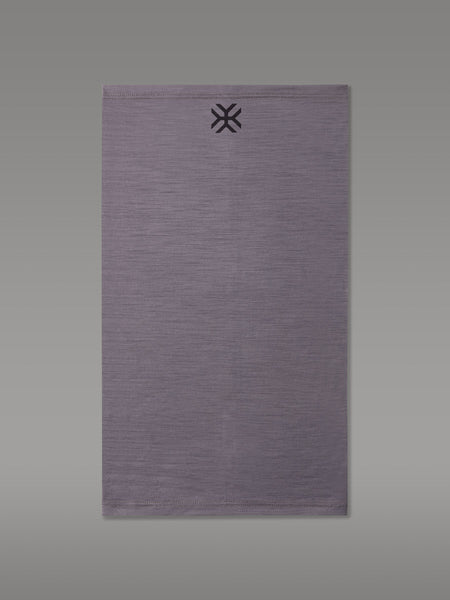
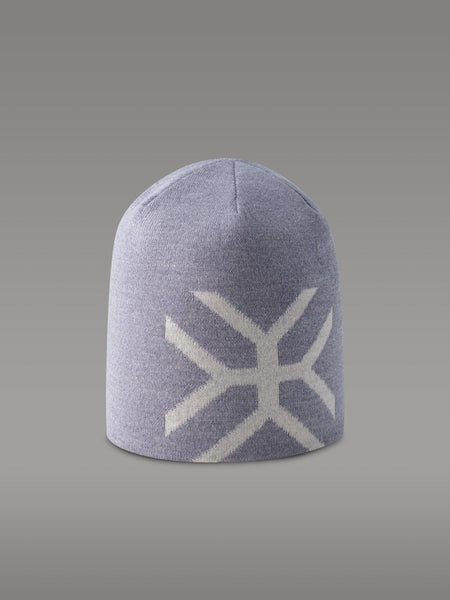
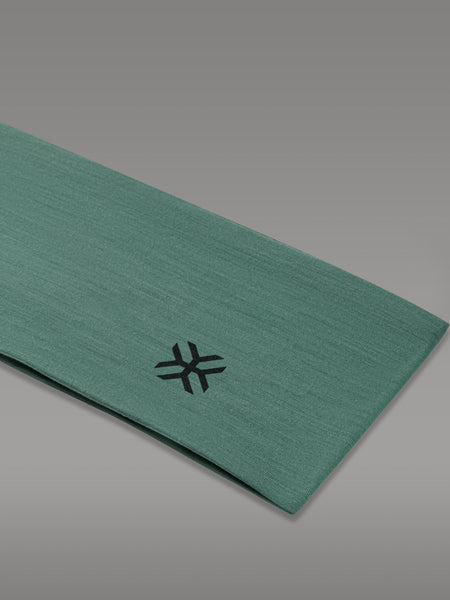
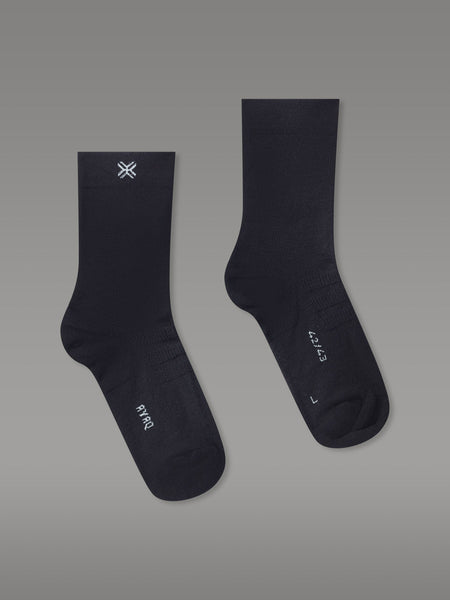

Running in cold weather calls for a careful balance: enough protection at the start and in the wind, without overheating as your effort increases. The right clothing depends on intensity, wind and duration—not just the temperature on the forecast.
In brief: wear a breathable base layer, add wind-resistant protection when needed, and keep a warmer layer for slower sections, breaks or deteriorating weather.
Start slightly cool, then adapt
Your body warms up quickly when trail running. Starting out already very warm often leads to sweating, then feeling chilled as your pace slows. A base layer that manages moisture is the foundation; additional layers should be easy to put on and take off.
Wind changes the decision
In cold weather, wind often matters more than the thermometer. A lightweight wind-resistant jacket is useful on exposed sections, on descents or after a break. In persistent rain, switch to a fully waterproof hard-shell.
Adapt to the duration
- Short, intense run: a breathable base layer and a lightweight wind-resistant jacket if needed.
- Long trail run: pack weather protection and an extra warm layer suited to the terrain.
- Night run or running at altitude: allow for extra insulation and protect your extremities.
A system that works together
Your clothing should work with your running vest, avoid chafing and remain easy to access. For more advice, explore our long trail running guide and our comparison of hardshell, softshell and wind-resistant jackets.
In summary
For cold-weather trail running, choose a lightweight, adaptable layering system: wick away moisture during exercise, block the wind when needed and keep extra warmth in reserve as your effort or the temperature drops.