

On a multi-day trek, your clothing needs to do more than protect you while hiking: it must perform morning and evening, stay comfortable over time and keep your pack weight down. The right kit combines well, dries readily and adapts to changing weather.
The short answer: pack a breathable base layer, an insulating layer, wind and rain protection, plus a warm layer to hand for breaks and overnight camps. Choose versatile pieces rather than a different outfit for every situation.
Think in systems, not product lists
Each piece should have a clear purpose. The base layer manages moisture, insulation retains warmth and the outer layer keeps the weather out. On a trek, this system is more useful than a highly specialised garment that only works in one situation.
The foundation: a base layer that stays comfortable for days
For long days on foot with fewer changes of clothing, next-to-skin comfort and odour control matter. Merino is a good choice when you want versatility and comfort over several days. Read our guide to Merino, Tencel or synthetics to choose according to your activity level and the weather.
Pack insulation for breaks and camp
How warm you feel changes as soon as you stop. An active fleece can be worn while walking in cool conditions; a lightweight insulated jacket provides extra warmth for evenings, summits or longer breaks. The key is being able to reach this layer without unpacking your bag.
Never overlook outer-layer protection
Over several days, the weather will often change. A compact hardshell protects your layering system when rain and wind become serious. It is not just for wet weather: it also provides protection on a cold descent or an exposed ridge.
A typical trekking outfit
- On the move: a breathable base layer, trousers suited to the terrain and a mid-layer according to the temperature.
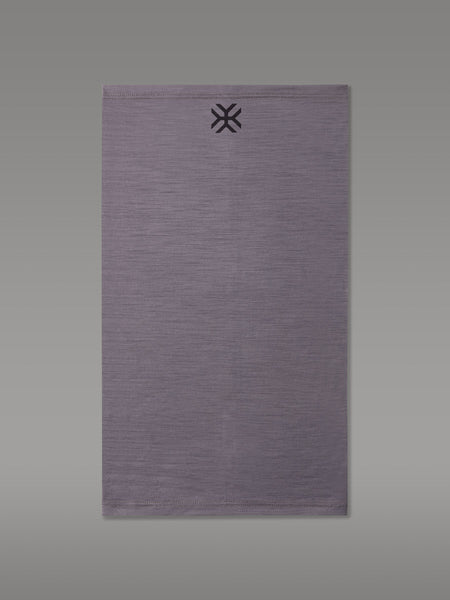
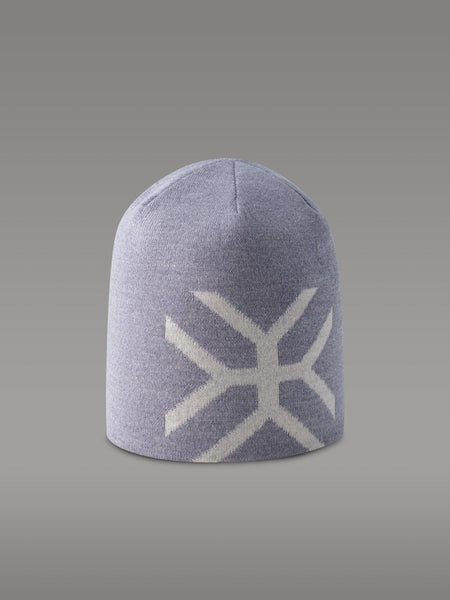
- Within easy reach: a wind-resistant jacket or hardshell, lightweight gloves and headwear appropriate to the season.
- For breaks and evenings: warmer insulation and dry spare clothing if needed.
Reduce weight without compromising safety
Lightening your load does not mean removing your safety margin. Cut out duplicates, but keep what protects you when you stop moving: a warm layer, rain-wind protection and essentials suited to the terrain.
For a shorter hike, see our day-hike checklist. For a closer look at how layering works, explore the 3-layer system.
In summary
A good trekking wardrobe is modular: a comfortable base, insulation at hand and reliable weather protection. This approach reduces the bulk you carry while keeping you equipped for every stage of the trip.