

For a day hike, the aim is not to pack your entire wardrobe: it is to anticipate changes in pace, temperature and weather. The right clothing lets you walk without overheating, then protects you when the wind picks up, rain arrives or you take a longer break.
The short answer: set off with a breathable base layer, an insulating layer suited to the temperature and an outer shell in your pack. Adjust your layers according to the weather, elevation gain and exposure to wind.
The foundation: a base layer that stays comfortable under your pack
Your T-shirt or long-sleeved top should wick away perspiration and minimise chafing at the shoulders. For outings with changing temperatures, merino wool is a versatile choice. The men’s BIAFO and women’s BIAFO are well suited to day hikes; for a chilly start, a long-sleeved top like the MEFONNA gives you a little extra warmth.
The checklist by weather
Mild, settled weather
A breathable base layer, a compact wind-shell for exposed ridgelines, sun protection, water and a light layer in your pack for breaks. Even in summer, the summit and descent can be considerably cooler than the starting point.
Wind or uncertain weather
Add a lightweight insulating layer and a protective jacket. An active fleece like the KOKANEE makes a useful midlayer when your effort eases or the wind picks up. If prolonged rain is possible, keep a hardshell within reach without having to empty your pack.
Cold rain
The layering system becomes the priority: a breathable base, insulation you can adjust easily, then waterproof protection. Avoid setting off with just one bulky, very warm garment: you risk overheating on the climb, then getting cold once damp. Our guide to gearing up for cold rain explains this approach in detail.
How elevation gain and pace change your needs
The more sustained the climb, the more important it is to be able to vent heat quickly. The more your route involves stops, a ridgeline or a long descent, the more insulation and wind protection matter. The right question before setting off is therefore: at what point on this day-hike will I feel cold? Often, it is not during exertion, but during a break or once you reach higher ground.
What to wear for three scenarios
- A forest walk in mild weather: breathable T-shirt + compact wind-shell.
- A summit hike in changeable weather: base layer + lightweight fleece + hardshell in your pack.
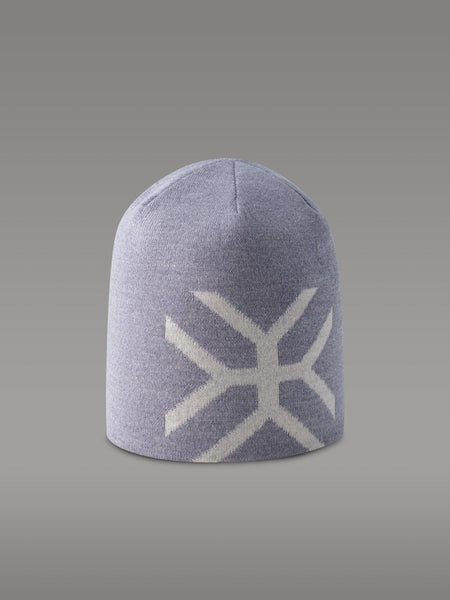
- A cool, wet day: long-sleeved top + insulating layer + hardshell, with gloves or a beanie depending on exposure.
Remember repairs and care
Clothing that lasts is clothing that is cared for. Clean your hardshell according to the care instructions, reactivate its water-repellent finish when needed and prioritise repairing a garment that is still functional. Discover our approach in Repair rather than replace.
In summary
For a day hike, plan an adaptable layering system rather than a fixed outfit. A breathable base, compact insulation and weather protection cover most situations—as long as you adjust them to the terrain and the intensity of your hike.