

A recycled material is not automatically a technical fabric. For mountain clothing, it must still meet specific requirements: strength, stability, protection, comfort and durability. The real challenge is not simply to recycle, but to select resources that remain reliable in the field.
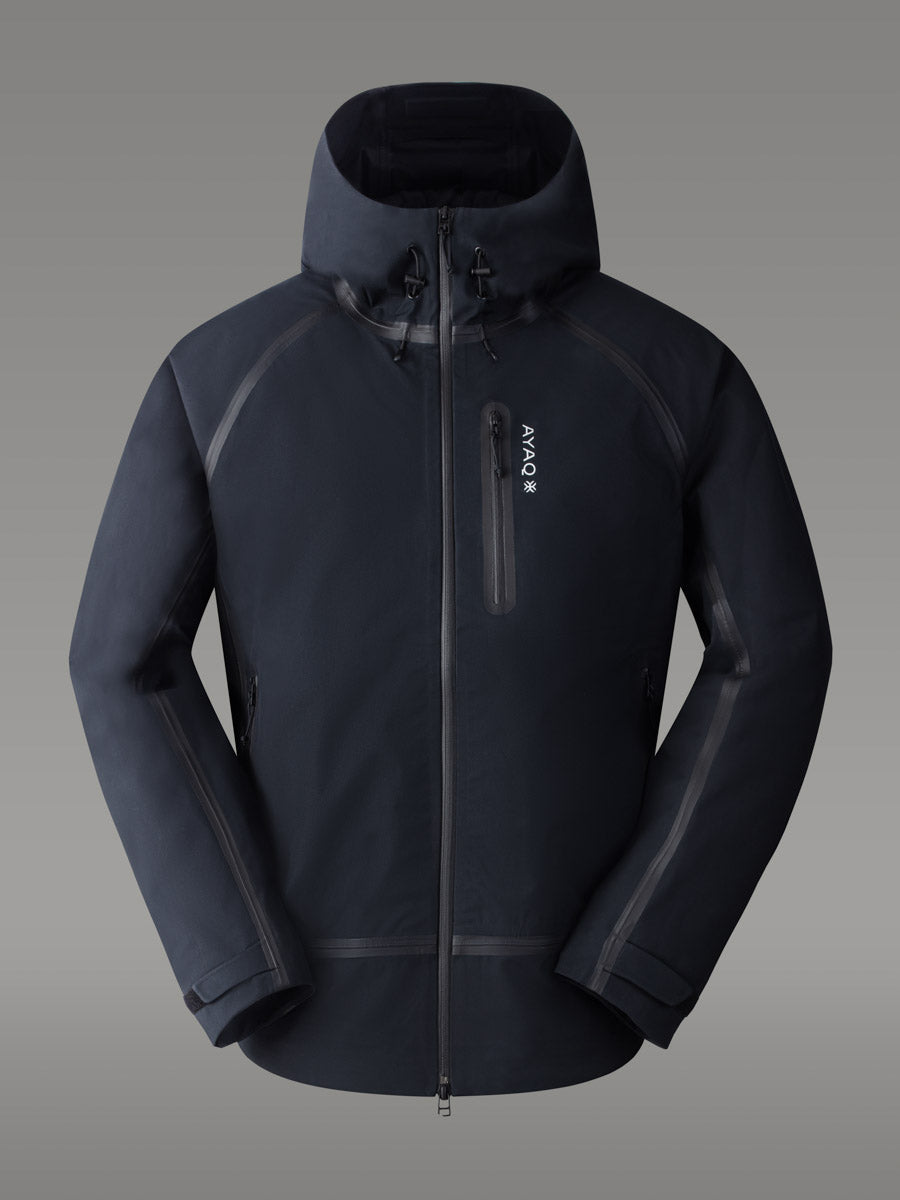
Recycled does not mean compromise
A high-quality recycled fibre can retain the properties expected of a virgin material. But this requires rigorous selection, a well-managed supply chain and testing suited to the intended use. Abrasion resistance, performance in damp conditions, long-term durability and construction quality remain essential.
At AYAQ, responsibility does not replace demanding product standards: it is part of them. This is the principle explored on our page Produce less waste. Demand more from our products.
Why use recycled materials?
Using recycled or already available resources helps reduce the extraction of virgin raw materials and prevents perfectly usable components from going to waste. This only makes sense if the choice genuinely improves the product’s life cycle, without cutting corners on performance or finish.
Our page dedicated to ECONYL regenerated nylon explains how this approach applies to a technical synthetic fibre.
The right material depends on its function
Every layer in an outdoor clothing system has a role. A membrane must protect against rain while managing moisture inside; trousers must move with you and resist abrasion; a base layer prioritises comfort and temperature regulation.
To compare constructions, see our guide to waterproofing and breathability. To find the right clothing for your activities, explore our men’s technical trousers, women’s technical trousers and hardshell jackets.
Sustainability also means keeping clothing for longer
The most sensible material choice is one that remains useful season after season. This calls for robust construction, proper care, repairs where appropriate, and buying less often but choosing more carefully. Recycled materials are part of the answer; product longevity is the other part of the equation.