

Textile labels can help build a well-informed understanding of a material. But you need to know what they actually cover. OEKO-TEX STANDARD 100 is often cited: it concerns testing for harmful substances in textiles and components, within a framework defined by the label.
What does OEKO-TEX STANDARD 100 test for?
OEKO-TEX STANDARD 100 verifies that certified textiles and components are tested for a range of regulated and potentially harmful substances. The requirements depend in particular on the product’s intended use: a textile designed to be worn directly against the skin is not assessed in the same way as an outer component.
This label provides specific information about the material concerned. It does not certify an entire brand, automatically cover every material in a garment, or assess its performance in the mountains.
A useful label, within its defined scope
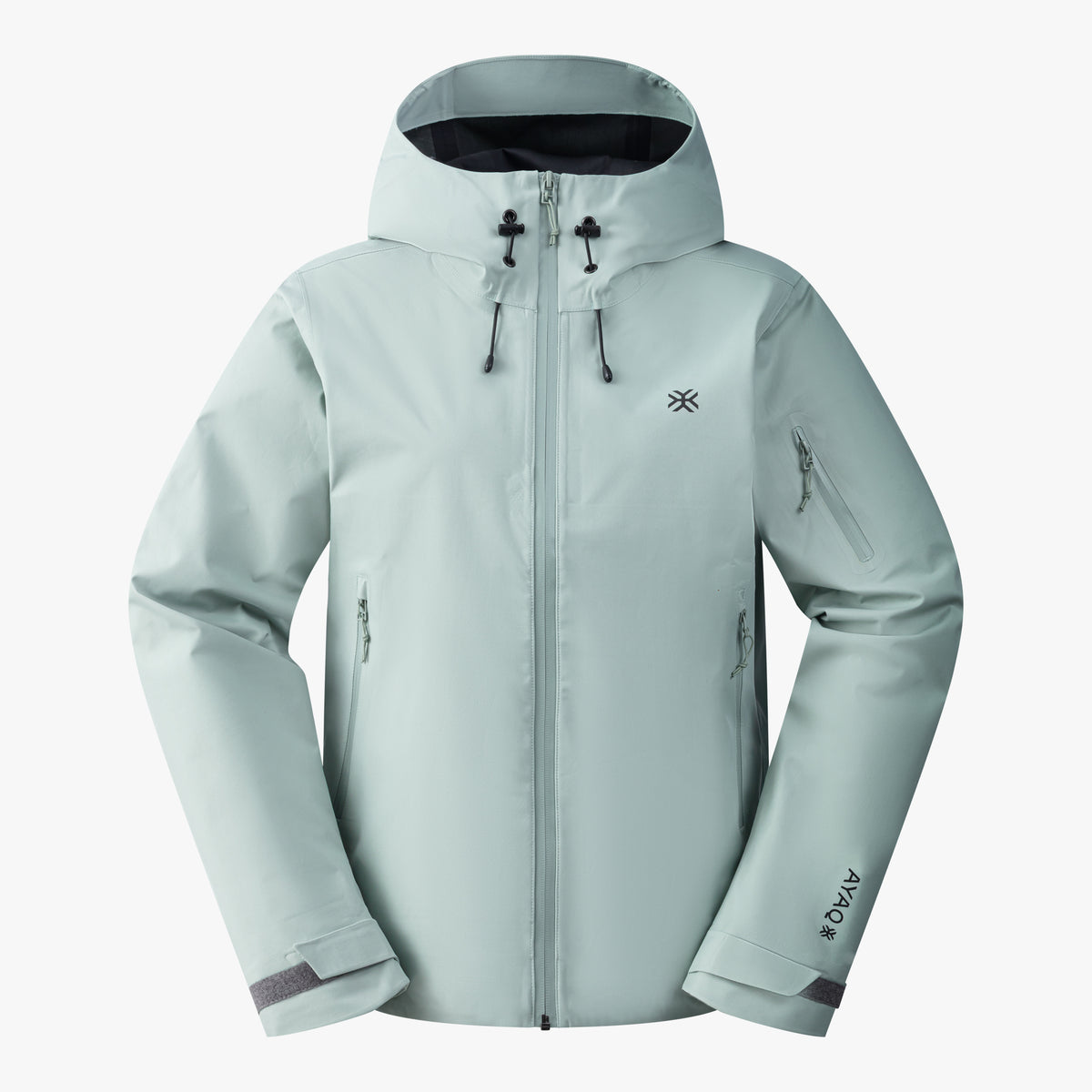
A single technical garment often combines several elements: outer fabric, membrane, lining, treatments, zips and threads. Whenever a label is mentioned, the key question is always: what is covered on a component-by-component basis?
This distinction helps avoid oversimplification. At AYAQ, for example, our page dedicated to the Sympatex membrane explains the scope of this material’s certifications. This does not mean that all our garments or all their components carry the same label.
Performance and safety: two complementary requirements
A mountain jacket must also withstand demanding terrain, provide lasting protection and allow moisture to escape during exertion. That is why understanding a label should go hand in hand with understanding how a garment is constructed: its membrane, breathability, waterproofing, durability and care requirements.
To learn more, discover how a Sympatex hydrophilic membrane works and explore our guide to understanding waterproofing and breathability tests. You can also browse our men’s hardshell jackets and women’s hardshell jackets.
Making informed choices
A more responsible garment cannot be defined by a single certification. Its value is assessed over time: material quality, thoughtful design, transparency about what is certified, and the ability to accompany you on outdoor adventures for years to come. This is the thinking behind our approach to sustainable production.